
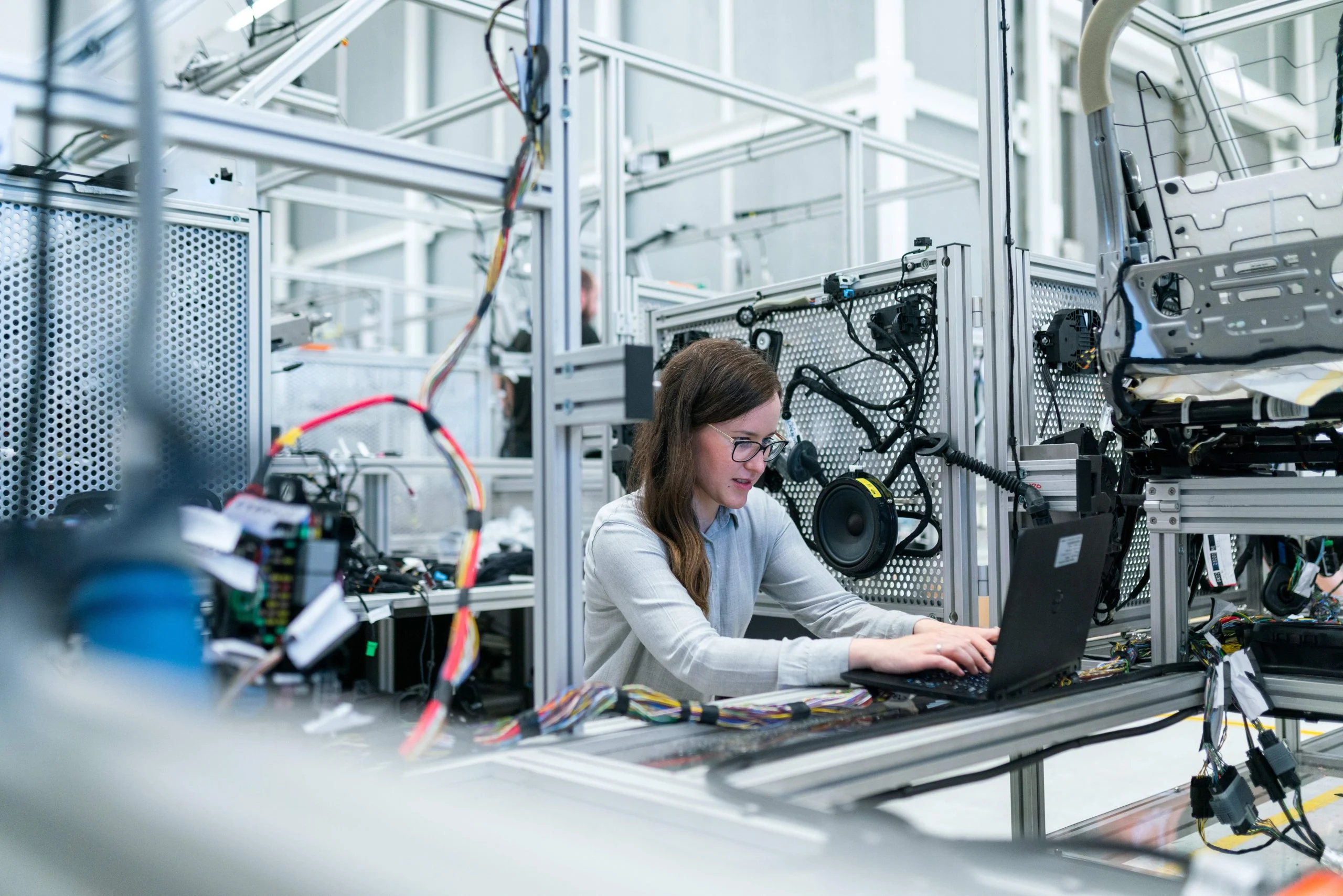
In today’s rapidly evolving industrial landscape, factories must adopt innovative communication strategies to remain competitive, credible, and visible. Traditional marketing methods are no longer sufficient to communicate complex processes, advanced technologies, and operational excellence. Professional manufacturing video production has emerged as an essential tool that enables factories to effectively present their capabilities, build trust, and support long-term growth.
Professional video production is not simply about recording factory operations. It involves strategic planning, technical expertise, creative storytelling, and multi-platform optimization. Below are the key steps that explain why professional manufacturing video production is essential for modern factories.
Step 1: Defining Clear Business and Communication Objectives
The first step in professional manufacturing video production is understanding the factory’s business goals and communication needs. Modern factories operate in highly competitive environments where clarity of messaging is crucial.
Professional video producers collaborate with factory management and marketing teams to define objectives such as:
- Brand positioning and awareness
- Lead generation and sales support
- Recruitment and employer branding
- Client education and onboarding
- Investor relations and corporate communication
This strategic alignment ensures that video content directly supports business growth and operational objectives.
Step 2: Developing a Structured Video Strategy
Once objectives are established, a structured video strategy is developed. This strategy determines the type of videos required, including factory overview films, process demonstrations, case studies, recruitment videos, and product showcases.
A well-defined strategy ensures consistent messaging, efficient production planning, and long-term content value. It also aligns video production with broader marketing and communication strategies, maximizing impact and return on investment.
Step 3: Translating Complex Manufacturing Processes into Visual Stories
Manufacturing processes are often intricate, technical, and difficult to communicate through text alone. Professional video production simplifies these complexities by converting workflows into visual narratives. Manufacturing video production helps highlight technical expertise while maintaining high production quality.
Through detailed filming, motion graphics, and expert narration, complex operations become accessible and understandable. This clarity enhances audience comprehension, strengthens credibility, and supports informed decision-making.
Step 4: Ensuring High-Quality Visual and Audio Standards
Professional manufacturing video production delivers superior visual and audio quality that reflects the precision and professionalism of modern factories. Advanced camera equipment, professional lighting, stabilized filming systems, and high-quality audio recording create polished and engaging content.
This high production standard reinforces brand perception and ensures that factory operations are presented accurately and attractively across all communication platforms.
Step 5: Maintaining Safety and Operational Efficiency During Filming
Factory environments involve heavy machinery, automated systems, and strict safety regulations. Professional video production teams are trained to operate safely within these environments.
Through careful planning, risk assessment, and coordination with production teams, filming is conducted without disrupting daily operations. This ensures safety compliance, protects employees, and maintains production efficiency.
Step 6: Creating Engaging and Persuasive Content for Marketing and Sales
Modern factories rely heavily on effective marketing and sales communication. Professional video production creates persuasive content that highlights technical capabilities, quality standards, and competitive advantages.
Sales teams use these videos to enhance presentations, demonstrate value quickly, and communicate complex information clearly. This improves client engagement, accelerates decision-making, and increases conversion rates.
Step 7: Supporting Global Market Expansion
As factories expand into international markets, professional video production becomes a vital communication tool. High-quality factory videos provide remote clients with transparent insights into production environments, quality assurance processes, and operational scale.
This visual transparency builds trust, reduces perceived risk, and facilitates international partnerships. Multilingual versions further enhance accessibility and global reach.
Step 8: Strengthening Employer Branding and Recruitment
Modern factories compete for skilled labor in increasingly tight labor markets. Professional video production supports recruitment by showcasing workplace culture, training programs, safety standards, and career development opportunities.
Recruitment videos attract qualified candidates, enhance employer branding, and communicate long-term growth prospects. A motivated and skilled workforce directly contributes to operational excellence and business success.
Step 9: Enhancing Digital Visibility and Brand Authority
Search engines and digital platforms prioritize video content. Professional manufacturing video production improves website engagement, search rankings, and social media performance.
By consistently publishing high-quality video content, factories increase online visibility, strengthen brand authority, and establish industry leadership. This sustained digital presence supports long-term marketing success.
Step 10: Delivering Long-Term Return on Investment
Professional manufacturing video production delivers lasting value. Once created, video content can be reused across multiple platforms, including websites, trade shows, email campaigns, training systems, and investor presentations.
This multi-purpose usability ensures continuous brand exposure and high return on investment. Over time, professional video production becomes a strategic business asset rather than a short-term marketing expense.
Conclusion
Professional manufacturing video production is essential for modern factories seeking to enhance communication, build trust, and maintain competitive advantage. Through strategic planning, expert storytelling, technical excellence, and multi-platform optimization, video production transforms complex industrial operations into compelling visual narratives.
From supporting sales growth and global expansion to strengthening recruitment and digital presence, professional video production plays a vital role in long-term industrial success. In an increasingly digital and competitive marketplace, factories that invest in professional video production position themselves for sustained growth and market leadership.