
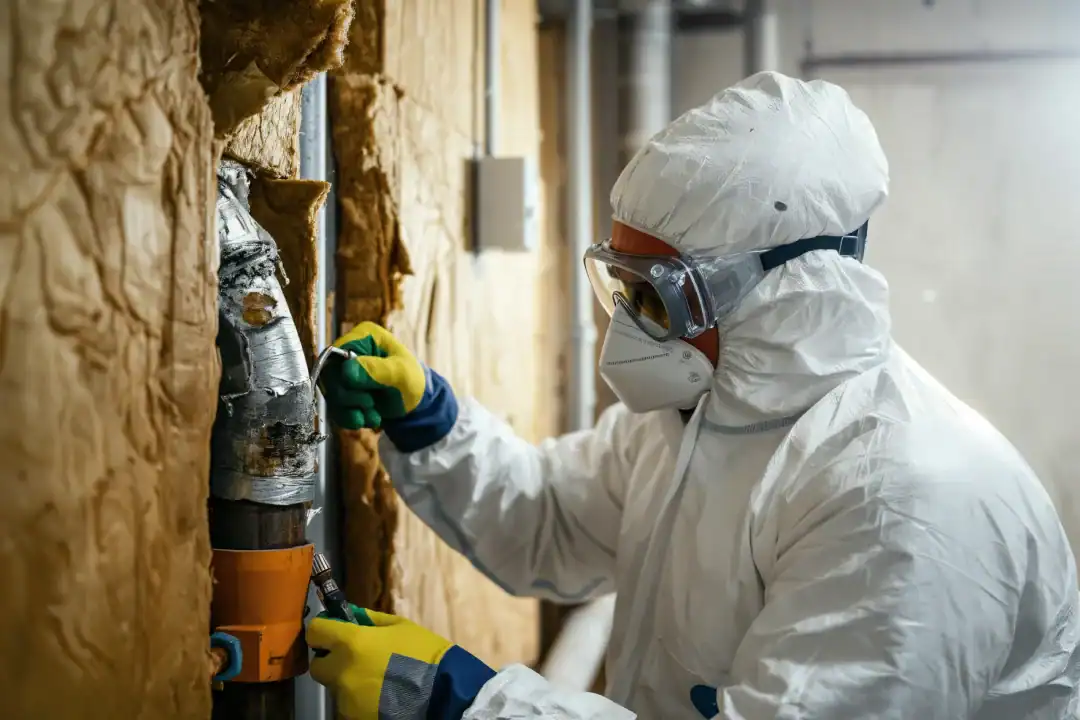
Asbestos was once widely used in construction across the United Kingdom due to its durability, fire resistance, and insulation properties. However, it is now recognized as a highly hazardous material. Exposure to asbestos fibers can cause severe health issues, including mesothelioma, lung cancer, and asbestosis. For this reason, effective asbestos removal and management are essential for both residential and commercial properties.
This article outlines the top strategies for safe and efficient asbestos removal and management across the UK, providing property owners with practical guidance to protect health, comply with regulations, and maintain safe environments.
Step 1: Conduct a Comprehensive Asbestos Survey
The first strategy for effective asbestos management is to conduct a detailed survey of the property. This includes:
- Inspecting walls, ceilings, floors, roofs, and pipework for asbestos-containing materials
- Identifying the type and condition of asbestos materials
- Recording the locations and potential risks associated with each material
A professional asbestos survey provides the foundation for safe management and ensures that any removal or containment work is based on accurate information.
Step 2: Professional Asbestos Testing
Once potential asbestos materials are identified, professional testing is essential. Licensed contractors collect samples and send them to accredited laboratories for analysis. This step:
- Confirms whether materials contain asbestos
- Identifies the specific type of asbestos (e.g., chrysotile, amosite, crocidolite)
- Determines the most appropriate removal or management approach
Accurate testing is critical for minimizing health risks and planning safe removal.
Step 3: Risk Assessment and Planning
After testing, a comprehensive risk assessment should be conducted. This involves:
- Evaluating the condition of asbestos materials
- Assessing the potential for fiber release
- Determining whether removal, encapsulation, or management in place is appropriate
A clear plan ensures that removal is conducted safely, efficiently, and in compliance with UK regulations.
Step 4: Engage Licensed Asbestos Removal Professionals
For high-risk materials such as sprayed coatings, insulation, and lagging, licensed professionals must be hired. Benefits of using certified contractors include:
- Specialized equipment and protective clothing
- Containment procedures to prevent fiber spread
- Safe handling and removal techniques
- Compliance with the Control of Asbestos Regulations 2012
Hiring experienced professionals reduces the risk of exposure and ensures that all work meets legal and safety standards. Our team specializes in asbestos removal using certified methods to protect occupants and staff.
Step 5: Implement Containment Measures
Effective asbestos management requires strict containment strategies. Key measures include:
- Sealing off the affected area with plastic sheeting
- Using negative pressure units to prevent airborne fibers
- Controlling access to the site to prevent accidental exposure
These measures protect residents, employees, and contractors while ensuring that removal or maintenance work is safe.
Step 6: Safe Removal and Disposal
Asbestos materials must be removed and disposed of carefully. Safe removal involves:
- Carefully detaching asbestos-containing materials without creating dust
- Double-bagging and sealing asbestos waste
- Transporting the waste to licensed disposal facilities in compliance with UK regulations
Proper removal and disposal prevent environmental contamination and reduce the risk of exposure to others.
Step 7: Encapsulation and Management in Place
In some cases, asbestos materials in good condition may be safer if left in place rather than removed. Strategies include:
- Encapsulating asbestos-containing materials with sealants
- Installing barriers to prevent accidental contact
- Conducting regular inspections to ensure materials remain intact
This approach minimizes disturbance while maintaining safety, particularly in older buildings where removal may be disruptive or costly.
Step 8: Clearance Testing
After removal or encapsulation, clearance testing is crucial. Certified contractors perform air monitoring and surface sampling to ensure that no asbestos fibers remain. Clearance testing provides:
- Verification that the property is safe to occupy
- Documentation for legal compliance and property management
- Confidence for property owners and occupants
Step 9: Ongoing Monitoring and Record-Keeping
Effective asbestos management does not end with removal. Property owners should implement ongoing monitoring and maintain detailed records of:
- Locations of remaining asbestos materials
- Removal or encapsulation procedures performed
- Inspection dates and results
Regular monitoring ensures continued safety and compliance with UK regulations.
Step 10: Training and Awareness
For commercial properties and workplaces, training staff on asbestos awareness is a critical strategy. Training should include:
- Recognizing asbestos-containing materials
- Understanding the risks associated with asbestos exposure
- Reporting damaged or deteriorating asbestos materials
- Following safety procedures when working near asbestos
Awareness reduces the risk of accidental exposure and promotes a culture of safety within the property.
Conclusion
Effective asbestos removal and management across the UK require a systematic approach that prioritizes health, safety, and regulatory compliance. By following these top strategies—comprehensive surveys, professional testing, risk assessment, licensed removal, containment, safe disposal, clearance testing, ongoing monitoring, and staff training—property owners can protect occupants and workers from serious health risks.
Professional asbestos management is not only a legal requirement but also an essential investment in safety, efficiency, and peace of mind. Implementing these strategies ensures that residential and commercial properties remain safe, secure, and compliant with UK regulations.